


Film
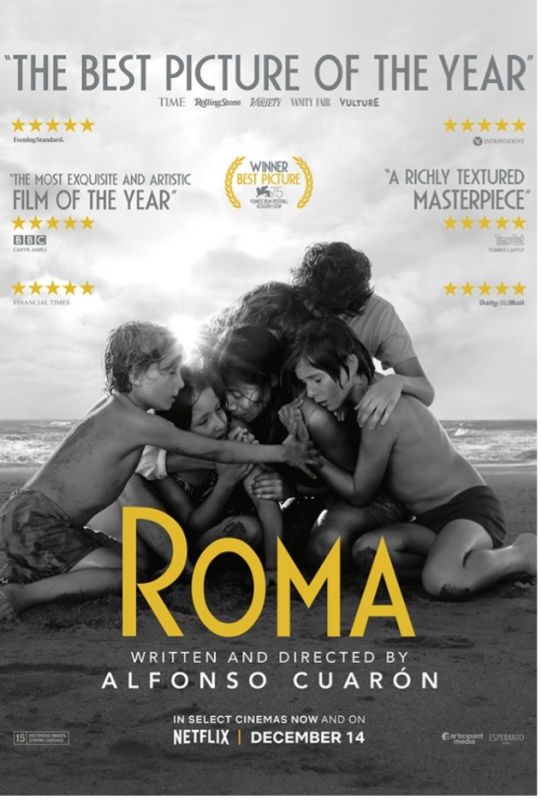
The Latin American film industry has boomed during the past several decades, achieving wide recognition for its quality as well as greater commercial success. The origin of filmmaking in the region is generally associated with Salvador Toscano Barragán, who opened the first movie theater in Mexico City in 1897 and then began producing his own movies. Mexican movies from the Golden Era in the 1940s and 1950s became popular throughout Latin America and Europe, introducing such actors as María Félix, Pedro Infante, Dolores del Río, Jorge Negrete, and the comedian Cantinflas to the world. In recent years, many Mexican films have focused on the travails of migrants leaving for the United States. The Mexican director Alfonso Cuarón is the first Latin American to win the Oscar for best director, winning for direction of the English language film Gravity in 2013 and for the 2019 film Roma, which was honored as best foreign film.
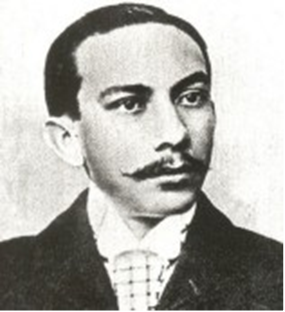
Salvador Toscano Barragán was Mexico’ first filmmaker and filmed clips of battles during the Mexican Revolution (1912-20) along with footage about President Porfirio Díaz and his reign. These, as well as scenes filmed by other artists, were assembled into a documentary by Toscano’s daughter Carmen and released in 1950 under the title of Memorias de un Mexicano (Memoirs of a Mexican).
Salvador Toscano
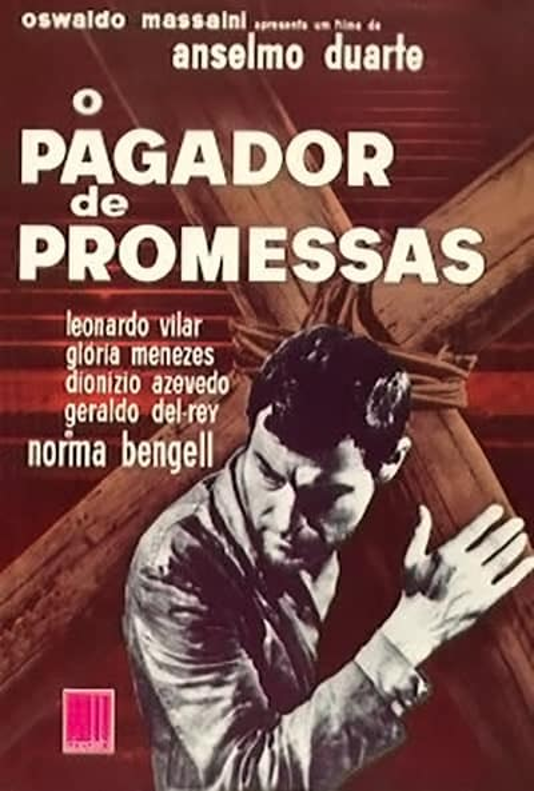
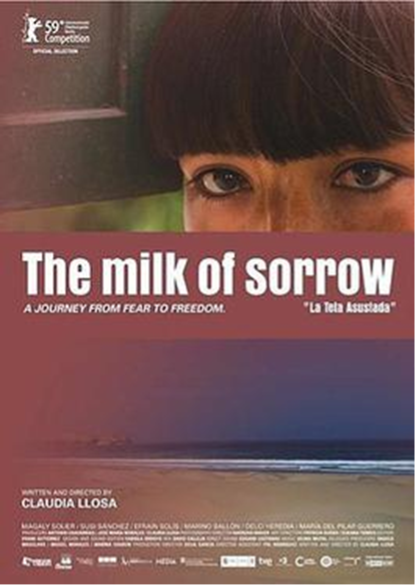
The film industry in Argentina and Brazil flourished in the 1960s. Reflecting the tumultuous times, the Cinema Novo movement in Brazil used intellectual and political screenplays. One example of this movement, the film The Given Word / Keeper of Promises (1962) by Anselmo Duarte, was the first Brazilian film to win the Palme d'Or at the 1962 Cannes Film Festival. In other Latin American countries, what has been called New Latin American Cinema also focused on political themes and on the traumas and atrocities of the military regimes and dictatorships that dominated the region in the 1960s and 1970s. The Cuban film Memories of Underdevelopment (1968) won several awards at international film festivals. The Argentine film The Official Story became the first Latin American movie to win the Academy Award for Best Foreign Language Film in 1985. The 2009 film The Milk of Sorrow, written and directed by Claudia Llosa, was the first Peruvian film to be nominated for the same award and won widespread international recognition.
O Pagador de Promessas (The Given Word/Keeper of Promises) is a 1962 Brazilian film directed by Anselmo Duarte, who adapted the screenplay from a famous stage play written by Dias Gomes. It was filmed in Salvador, Bahia, Brazil. Along with becoming the first (and to date, the only) film by a Brazilian director to win the Palme d'Or at the Cannes Film Festival, it was also the first film from South America to be nominated for the Academy Award for Best Foreign Language Film.
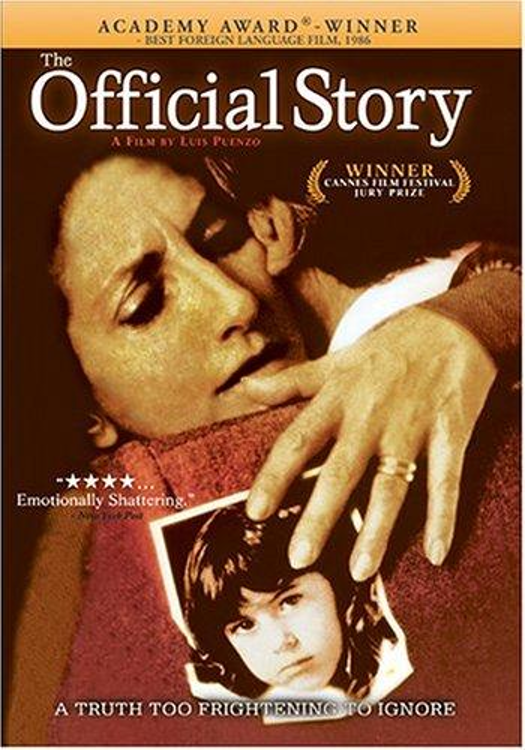
The Official Story (La Historia Oficial) is a 1985 Argentine film directed by Luis Puenzo. The film is the story of an upper middle-class mother from Buenos Aires with an illegally adopted child. She comes to realize that her daughter may be the child of someone who disappeared during Argentina's last military dictatorship (1976–1983). It won the Oscar for Best Foreign Language Film at the 58th Academy Awards.
La Teta Asustada (The Milk of Sorrow) is a 2009 film by Peruvian director Claudia Llosa. It is the story of a woman who is suffering from a rare disease transmitted through the breast milk of women who were abused or raped during or after pregnancy. The film focuses on the violence used by the military and paramilitary forces to combat the Shining Path uprising in Peru between 1980 and 1992. It won the Best Movie award at the 2009 Guadalajara International Film Festival.
Roma is a 2018 Mexican film written, produced, and directed by Alfonso Cuarón. The story follows the life of a live-in housekeeper for a middle-class family in Mexico City. The film had a limited theatrical run before streaming on Netflix. It became the first Mexican entry to win an Academy Award for Best Foreign Language Film and Cuarón also won for Best Director.